
There are many oil change shops around town that advertise quick, inexpensive oil changes. That may make you wonder, is there really a difference between a $17 oil change and one that costs $65? Absolutely.
It may seem like an oil change is a service that any shop can perform and of course, it’s more convenient to have it done in 15 minutes or less, rather than having your car in the shop for an hour. But what you gain in convenience and cost-effectiveness, you lose in quality. Saving money and time on your oil change might be beneficial now, but it could mean spending hundreds of dollars (or more) in repairs in the future.
Today’s vehicles are built with high-performance engines that need higher tolerances. Shops that offer inexpensive oil changes are able to do that because the oil and filters are inexpensive and low-quality.
Motor oil quality matters for several reasons. The higher the quality of the oil, the better it lubricates all the moving parts of your engine, guarding it more effectively from friction and overheating. The parts will wear much slower, which reduces the chances of needing engine repairs. Better motor oil also gives you better performance, as all the components can work together more smoothly. This can make your car more responsive and add to its fuel economy.
What Does The $17 Change Get You?
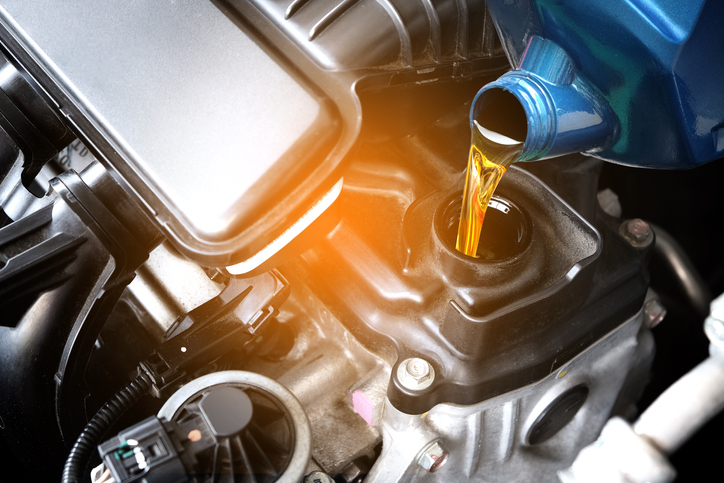
A $17 oil change also means a lower-quality oil filter. Oil filters strain out contaminants to prevent them from circulating in your engine. The filter must be porous enough to allow the oil to pass through while still being able to trap particles that can damage your engine. The more contaminants that are allowed to pass through your engine, the more it will reduce its life. Lower quality filters have a higher micron rating, which means they allow larger particles to pass through than a filter with a lower micron rating. Tests conducted by the Society of Automotive Engineers found that switching from a 40-micron filter to a 30-micron filter can reduce engine wear by about 50%. Micron count really does matter!
So, although you’re saving money initially, lower quality oil and filters contribute to engine damage over time.
That’s not the only difference, either. Quick lube shops focus on oil changes and selling items, like filters, whether you need them or not. The goal is to make as much profit as possible, which the lowest amount of overhead. This also includes hiring technicians who may have only basic automotive knowledge to keep company costs low. This is a problem because the technicians often don’t know how to distinguish when there may be a problem emerging – and even if they do, they only have an average of about 15 minutes with the vehicle. The very nature of a quick lube shop also doesn’t allow you to build a relationship with the staff or allow them to get to know your car.
Why Go To Us?
In contrast, our oil changes are not $17 and they take a full hour, but they’re well worth it. We use only high-quality oil and filters, plus we follow manufacturers’ mile-based services, including inspections of other components. Every vehicle receives a full digital inspection, which lets us know what’s important to fix versus what can wait. It also gives us a chance to spot any problems that are starting before they become a more expensive repair. We hire only the best – all our technicians are experienced and Nationally Certified, because we’re committed to providing both quality service and the best outcome for you and your vehicle.
That means we also take extra steps, like removing leaves off the cowl. This helps the heating and cooling work and allows the rain to drain out, rather than inside the car. We also clean the windshields, lube the door hinges, and various other small things that keep your car well-maintained. We keep track of when maintenance needs to be done, so you don’t have to wonder when your car is due for its next service.
The bottom line is, you probably wouldn’t choose a doctor based on the price. Auto care is the same. You want a qualified professional working on your vehicle and high-quality services that will keep it running (and running well!) for as long as possible. That’s what you can always expect at Signal Garage. We care about our community and want to preserve your investment, as well as keeping your vehicle safe and reliable.